

More in Bathroom
NOTE: This cork floor was installed on underlayment-grade plywood and man-made board substrates.
Subfloor must be clean and level. Fill any low spots with the appropriate filler and sand any high spots.
Subfloor primer must be used regardless of type of subfloor. Pour subfloor primer into clean paint tray. Using a roller, apply thin and even coat of primer and cover subfloor completely. Under normal temperature and humidity conditions primer will dry in 30 to 45 minutes. Primer must be totally dry before application of adhesive.
Pour some adhesive into clean paint roller tray. Using a clean roller, apply a thin coat of adhesive over approximately 50 square feet at a time. A uniform, glossy film indicates a sufficient amount of adhesive. Stay off adhesive while it is drying (approximately 20-30 minutes). Once adhesive is dry, that section of installation must be completed within one hour. Never lay tiles into wet adhesive.
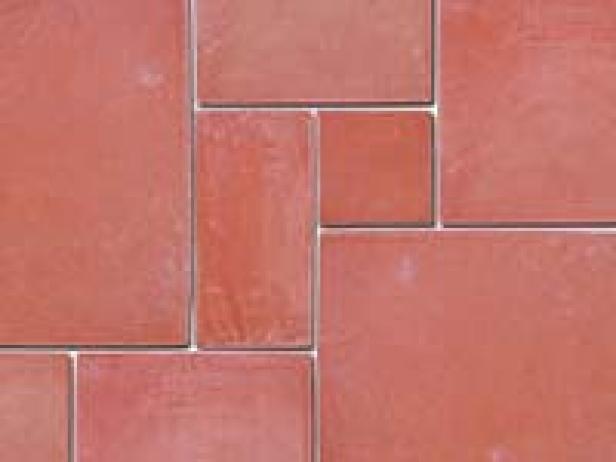
Use any standard laying pattern (Image 1). Mix cork parquets from various cartons to maintain natural color and pattern variation. Allow ¼” expansion space between finished floor and all walls. Cut tiles to size with utility knife for edges (Image 2).
TIP: Store cork flooring out of the box at job site for minimum of 72 hours. During storage and installation, maintain temperature and relative humidity to level consistent to the conditions that will prevail when building is occupied.
As you lay each tile roll over with mini roller supplied. After the entire floor has been laid, it is very important to roll the surface using a three-part, 100-pound floor roller. Roll entire floor several times from several directions. Floor should be rolled again after sitting overnight.
Allow glue to set for at least 24 hours before walking on the floor.
Advertisement
All fields are required.
Signing in

Please enter your email address and we will send your password
E-mail Address
Your password has been sent and should arrive in your mailbox very soon.
Sign up with DIY Network to share tips with other do-it-yourselfers and comment and ask questions on projects.
It's free and easy.