




 You're subscribed!
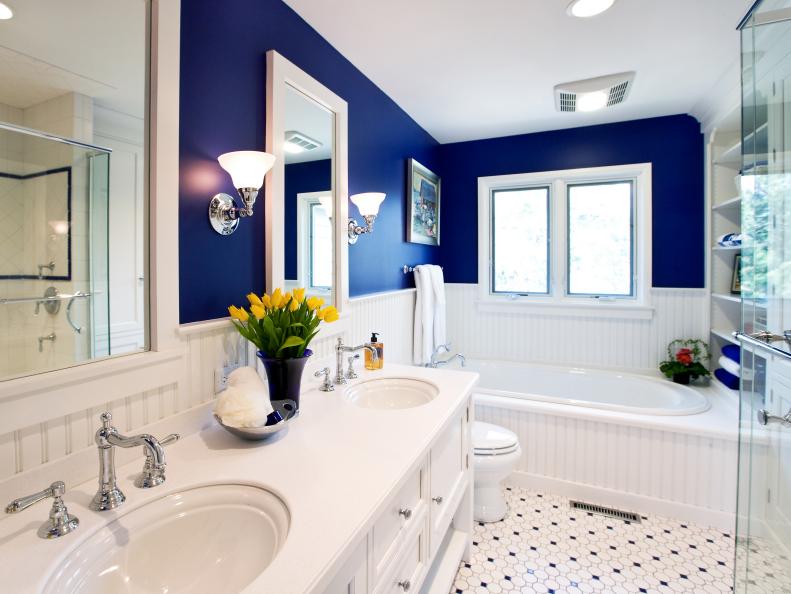
#1 Minor Bathroom Remodel
Average return at resale: 102 percent
It costs about $10,500 to replace the tub, tile surround, floor, toilet, sink, vanity and fixtures. You’ll get back an average of $10,700 at resale, a recoup rate of 102 percent.
If you can pipe a child’s name on a birthday cake, you can re-caulk a tub. Use a softener like CAULK-BE-GONE to get rid of the old caulk. Fill the tub with water after you’re done to stretch caulk while it dries.
If your old tub is too large to fit out the door, re-glaze it for a like-new finish. Cost: $300 to $400.
Remove dated wall coverings and apply a fresh coat of paint. For damaged walls, spray-on texture provides quick coverage.
Replace old shower doors or remove them to add the illusion of space.
NOTE: ROI values and remodeling costs are subject to change.